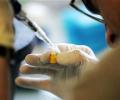
Oral paracetamol and another cough medicine manufactured by companies based in Mumbai and Punjab were found to be "sub-standard or found to be containing toxins", reports Sohini Das.

Jimny will be priced between Rs 12.7 lakh and Rs 15.05 lakh.

Amid better semiconductor chip supplies, the Indian automotive industry posted an 8 percent growth in production of vehicles across categories for the month of May, with three-wheelers (20 per cent) and passenger vehicles (16 per cent) leading the pack. Exports, however, dipped 21 per cent at an industry level. The industry also recorded its highest-ever May wholesales of domestic passenger vehicles (334,802 units), riding on high demand for sport utility vehicles (SUVs) and better supplies of semiconductor chips.

After reports of contamination in cough syrups sent from the country, India is considering a system to test them before exporting. It is learnt that the Central Drugs Standard Control Organisation (CDSCO) has sent a proposal to the Union health ministry on this. The idea is to test the medicines at government labs before exporting.

Drug sale volumes are almost stuck at pre-pandemic levels but price growth has improved value, data from market research agency Pharmarack AWACS showed. The Indian pharmaceutical market's (IPM) volumes in April 2023 grew by 0.21 per cent when compared to April 2019. Key therapy areas like cardiac, anti-diabetic and vitamins recorded negative volume or consumption growth, while respiratory, anti-infectives, and pain and analgesics had positive growth from April 2019 to April this year.

Analysts have predicted a 23 per cent volume growth for the auto segment between FY22 and FY25, riding on the company's differentiated EV and SUV plan. M&M is already a market leader with a 36 per cent share in electric three-wheelers, and its Zaheerabad plant in Telangana is ready to cater to demand. In the farm segment, the company plans to focus on niche electric products.

In the first nine months of financial year 2022-23, India's exports of medical devices have grown by 17 per cent, while imports have declined by around 8 per cent, show the latest data compiled by the Association of Indian Medical Device Industry (AiMeD). However, import of 30 medical devices from China has risen between 25 per cent and 152 per cent during this period, the AiMeD has written to Commerce and Industries Minister Piyush Goyal in March. The AiMeD is an umbrella organisation of medical device makers.

The question is: Will the company have a strong balance sheet to support this massive investment plan?

Dealers across brands are slashing prices by Rs 20,000 to over Rs 1 lakh, depending on the car model.
Hospitals to recover from sluggish Q3; diagnostics' growth rate at pre-Covid levels.

'These companies hired in high numbers last year and are balancing that out this year by recruiting fewer freshers.'

'I understand some people are comfortable getting a Covishield shot as their third dose.'

Serum Institute of India (SII) and Bharat Biotech have also stopped producing the Covishield and Covaxin vaccines respectively.

With a new chief executive officer (CEO) at the helm, the country's largest two-wheeler maker Hero MotoCorp is now looking to cut flab and move towards a leaner organisation. It has launched a voluntary retirement scheme (VRS) for its staff as it aims to make the organisation 'agile and future-ready'. Recently, the company's erstwhile chief financial officer (CFO) Niranjan Gupta was elevated as CEO.

Even as India's passenger-vehicle sales touched a record high of 3.9 million units in 2022-23, growing 27 per cent over the previous financial year, the country's largest carmaker, Maruti Suzuki India (MSIL), said on Monday uncertainties in the electronic-component supplies might affect production in FY24. MSIL said the shortage of electronic components had some impact on production in FY23. "The company took all possible measures to minimise the impact.

The March 2020 lockdown did not stop the spread of infection (as it triggered a huge reverse migration from cities), but it did help to flatten the curve and gave time to scale up health infrastructure.

'In FY23, PV sales are expected to end the year at a record 3.8 million units, up 26 per cent. In FY24, however, the industry is expecting 5-7 per cent volume growth'

According to Rajeev Jayadevan, co-chairman, national Indian Medical Association Covid Task Force, the current scenario qualifies as a wave.

One needs to charge the device every four days, which can provide over 65,000 blood readings and counts.

Open order books in February breach 700,000; wait period for some models exceed a year.
